The Rise of “Inner Beauty”: Why Collagen Is More Than Skin Deep
In recent years, the concept of “inner beauty” has evolved from a philosophical idea into a booming wellness movement. No longer confined to skincare routines and surface-level fixes, beauty is increasingly understood as something that begins within the body. At the center of this shift is collagen—a protein once associated mainly with youthful skin, now recognized as a foundational element of overall health.
From Surface-Level Beauty to Whole-Body Wellness
Collagen is the most abundant protein in the human body, acting as a structural framework for skin, bones, muscles, tendons, and connective tissues. Often described as the body’s “glue,” it provides strength, elasticity, and resilience—qualities that define not only healthy skin but also functional joints and organs.
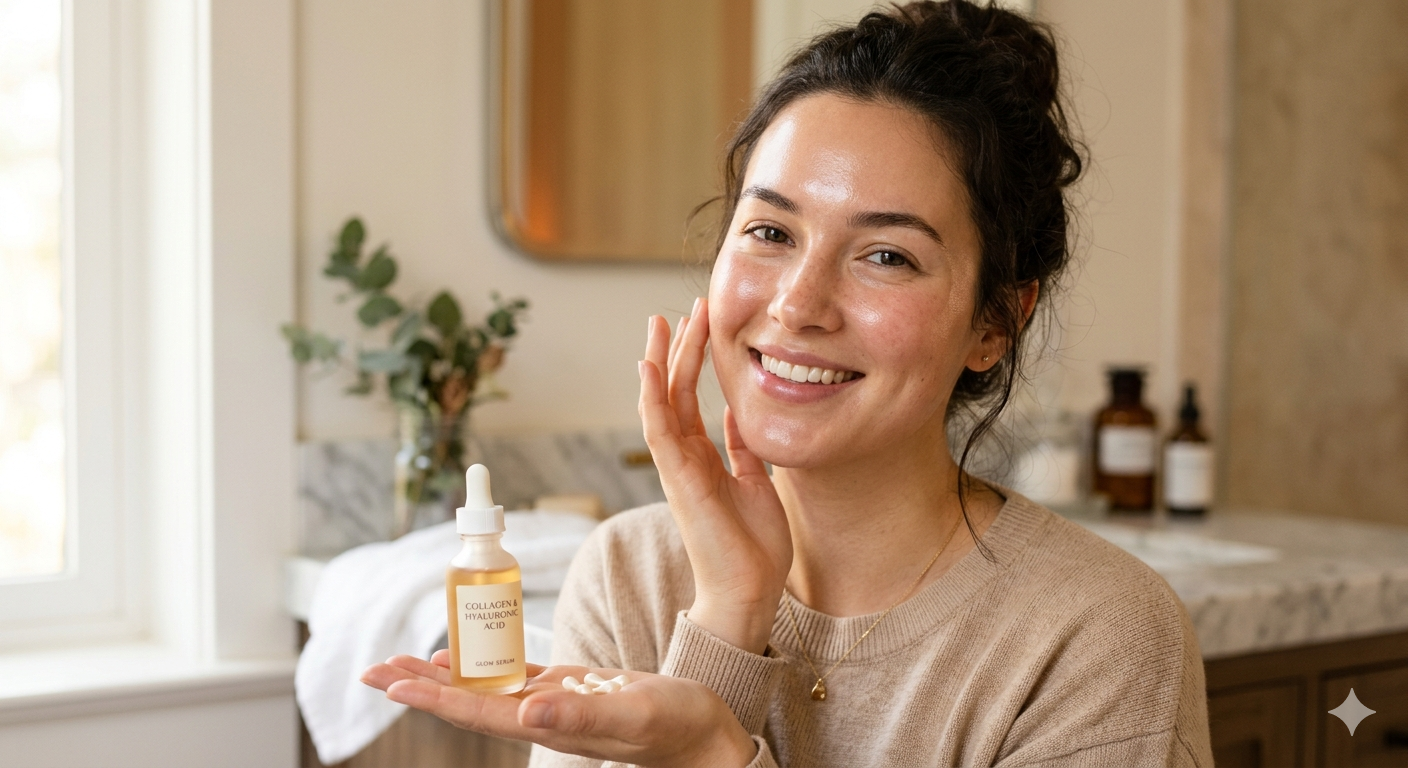
This broader understanding has fueled the rise of ingestible beauty: supplements, powders, and functional foods designed to nourish the body from the inside out. Unlike topical creams, which primarily affect the skin’s surface, ingestible collagen works systemically. Once consumed, collagen is broken down into amino acids and peptides that may stimulate the body’s own collagen production.
The Science Behind the Glow
The appeal of collagen lies in its multi-dimensional benefits. Research suggests that collagen peptides can improve skin hydration, elasticity, and overall texture—key markers of youthful skin. But these effects are just one part of a larger story.
Collagen also plays a crucial role in joint health by supporting cartilage, which cushions movement and absorbs impact. It contributes to bone strength, muscle integrity, and even wound healing. In essence, collagen is not just about looking good—it’s about maintaining the body’s structural integrity over time.
This holistic impact is why collagen is increasingly associated with “inner beauty.” Healthy skin becomes a visible reflection of deeper physiological balance, rather than an isolated cosmetic outcome.
Why Collagen Declines—and Why It Matters
Despite its importance, collagen production naturally declines with age, beginning as early as the mid-20s. Environmental factors such as UV exposure, smoking, and poor nutrition can accelerate this process, leading to wrinkles, joint discomfort, and reduced tissue resilience.
This decline has driven interest in collagen supplementation. Studies indicate that consistent intake—typically over several weeks—may help improve skin quality and support connective tissues. However, experts caution that collagen is not a miracle cure. Its effectiveness can vary depending on factors like dosage, formulation, and overall lifestyle.
Beyond the Hype: A Balanced Perspective
While collagen supplements are widely marketed as anti-aging solutions, the science is still evolving. Some studies show promising results, while others suggest that benefits may be modest or influenced by study design.
What is clear, however, is that collagen works best as part of a broader approach to health. Nutrients like vitamin C, zinc, and antioxidants support natural collagen synthesis, while habits such as sun protection and a balanced diet help preserve existing collagen levels.
The Future of Beauty Is Inside-Out
The rise of collagen reflects a larger cultural shift: beauty is no longer just about appearance—it’s about vitality, longevity, and well-being. Consumers are moving away from quick fixes and toward solutions that support the body holistically.
In this context, collagen represents more than a trend. It symbolizes a new definition of beauty—one that recognises the connection between internal health and external radiance. The glow we seek on the outside, it turns out, may begin much deeper than the skin.
