
In today’s fast-moving world, sleep is often treated as a luxury rather than a necessity. But in 2026, science continues to reinforce a powerful truth: sleep is one of the body’s most important repair mechanisms. It’s during these overnight hours that recovery takes place, systems reset, and a vital protein—collagen—gets to work rebuilding and restoring the body from within.
The Night Shift: How the Body Repairs Itself
While you sleep, your body enters a state of active recovery. Heart rate slows, muscles relax, and energy is redirected toward restoration. This is when damaged cells are repaired, hormones are balanced, and tissues begin to rebuild.
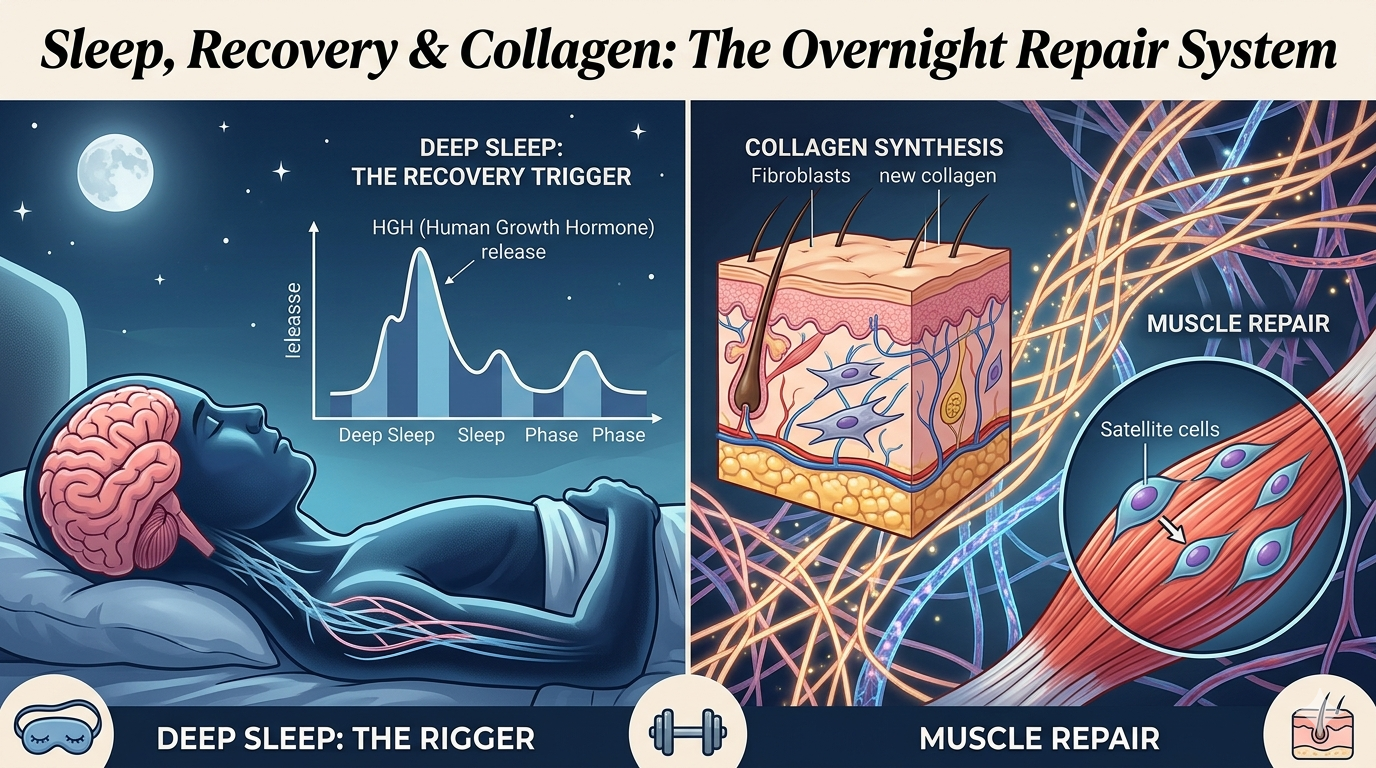
Deep sleep, in particular, is critical. During this stage, the body releases growth hormone, which plays a key role in tissue repair, muscle growth, and cellular regeneration. Without enough quality sleep, this process becomes less efficient—impacting everything from physical recovery to skin health.
Collagen’s Role in Overnight Recovery
Collagen is often associated with youthful skin, but its function goes far deeper. It provides structure to skin, strengthens joints, and supports muscles and connective tissues. During sleep, collagen production is naturally stimulated as part of the body’s repair cycle.
This process helps maintain skin elasticity, reduce the appearance of fine lines, and support the recovery of muscles and joints after daily wear and tear. In essence, collagen acts as a rebuilding material—helping the body restore itself night after night.
Why Sleep Quality Matters for Collagen
It’s not just about how long you sleep, but how well you sleep. Poor sleep quality—whether due to stress, screen exposure, or irregular schedules—can disrupt the body’s natural rhythms. This may reduce collagen production and accelerate visible signs of aging, such as dull skin or loss of firmness.
Additionally, lack of sleep can increase cortisol levels, a stress hormone that can break down collagen over time. This creates a cycle where poor sleep leads to reduced repair, which in turn affects both appearance and overall health.
Recovery Beyond the Skin
The connection between sleep, recovery, and collagen extends far beyond aesthetics. Healthy collagen levels support joint flexibility, muscle recovery, and even bone strength. This means that quality sleep doesn’t just help you look better—it helps you move better, feel stronger, and recover faster.
Athletes and fitness enthusiasts, in particular, are recognizing sleep as a critical component of performance. Without proper overnight recovery, the body cannot fully repair the micro-damage caused by exercise, increasing the risk of fatigue and injury.
Supporting Your Overnight Repair System
Optimizing sleep and recovery doesn’t require drastic changes—just consistent habits that support the body’s natural rhythms:
- Stick to a regular sleep schedule: Going to bed and waking up at the same time each day helps regulate your internal clock.
- Limit screen exposure before bed: Blue light can interfere with melatonin production, making it harder to fall asleep.
- Create a restful environment: A cool, dark, and quiet space promotes deeper sleep.
- Support collagen production nutritionally: Nutrients like vitamin C, protein, and amino acids help the body produce collagen effectively.
- Manage stress levels: Relaxation techniques can improve sleep quality and reduce cortisol’s impact on the body.
The Future of Beauty and Recovery
In 2026, the idea of beauty sleep is no longer a myth—it’s a measurable, biological process. As research continues to highlight the importance of sleep, more people are prioritizing rest as a key part of their wellness routines.
Collagen, once viewed primarily as a cosmetic ingredient, is now understood as a central player in the body’s overnight repair system. Together, sleep and collagen form a powerful partnership—working quietly through the night to restore, rebuild, and rejuvenate.
The takeaway is simple: what happens while you sleep doesn’t stay in the night. It shows up in how you look, how you feel, and how well your body performs each day. Protect your sleep, and you protect your body’s most natural pathway to recovery and renewal.
