In the ever-evolving world of health and wellness, trends come and go—yet one of the most essential elements of human vitality remains consistently overlooked: hydration. While nutrition plans and fitness routines often dominate the conversation, proper hydration is the quiet foundation supporting energy, performance, and long-term health. In 2026, it’s becoming increasingly clear that water is not just a basic necessity—it’s a powerful tool for longevity and overall wellness.
Why Hydration Matters More Than You Think
The human body is made up of roughly 60% water, and nearly every biological process depends on it. From regulating body temperature to transporting nutrients and oxygen, water plays a central role in keeping the body functioning efficiently.
Even mild dehydration can disrupt these processes. It can lead to fatigue, headaches, reduced focus, and decreased physical performance. Over time, chronic dehydration may contribute to more serious health concerns, including kidney issues and impaired cardiovascular function.
Hydration and Energy Levels
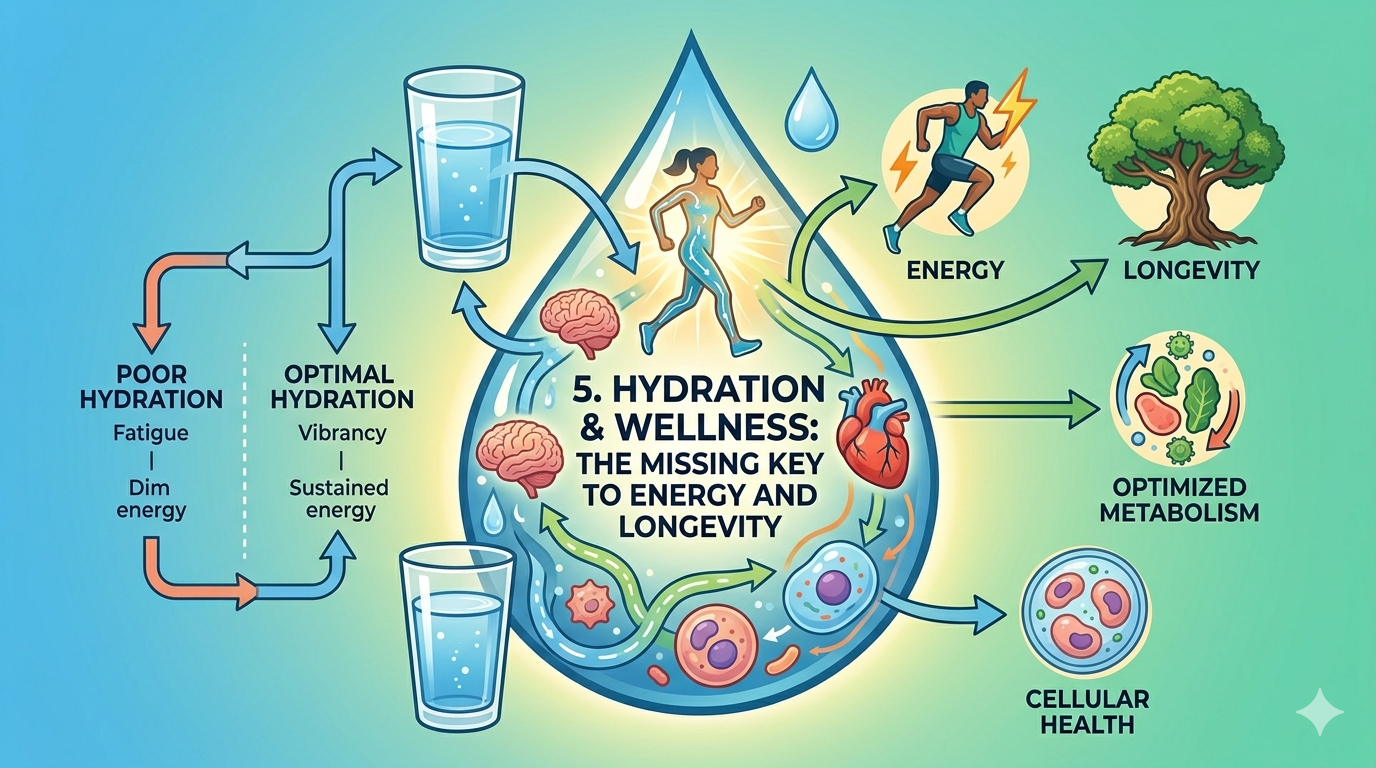
One of the most immediate benefits of proper hydration is increased energy. When the body lacks sufficient fluids, blood volume can decrease, making the heart work harder to pump oxygen and nutrients. This can leave you feeling sluggish and mentally drained.
Staying well-hydrated helps maintain optimal circulation, allowing your muscles and brain to perform at their best. Many people mistake dehydration for tiredness—reaching for caffeine when what they really need is water.
The Role of Hydration in Longevity
Hydration doesn’t just impact how you feel today—it also influences long-term health. Proper fluid intake supports kidney function by helping the body eliminate waste and toxins efficiently. It also plays a role in maintaining healthy joints, skin elasticity, and cellular repair.
Emerging research suggests that consistent hydration may be linked to healthier aging. Well-hydrated cells function more effectively, reducing strain on the body’s systems over time and supporting overall resilience.
Beyond Water: Electrolytes and Balance
While water is essential, hydration is not just about quantity—it’s also about balance. Electrolytes such as sodium, potassium, and magnesium help regulate fluid levels, nerve function, and muscle contractions.
In 2026, many people are adopting a more nuanced approach to hydration by incorporating electrolyte-rich foods or beverages, especially during exercise or in hot climates. This ensures that the body retains and uses fluids effectively rather than losing them too quickly.
Signs You Might Be Dehydrated
Dehydration isn’t always obvious. Some common signs include:
- Persistent fatigue
- Dry skin or lips
- Headaches
- Dark-colored urine
- Difficulty concentrating
Recognizing these early signals can help you adjust your habits before dehydration begins to impact your health more seriously.
Building Better Hydration Habits
Improving hydration is one of the simplest yet most impactful changes you can make. Start by drinking water consistently throughout the day rather than all at once. Carrying a reusable water bottle, setting reminders, or pairing water intake with daily routines can make hydration more automatic.
Incorporating water-rich foods—such as fruits and vegetables—can also contribute to your daily fluid intake. And while beverages like coffee and tea can be part of a healthy routine, they shouldn’t replace water as your primary source of hydration.
A Simple Habit with Powerful Results
In a world focused on complex health solutions, hydration stands out for its simplicity and effectiveness. It requires no expensive equipment, no complicated routines—just consistent attention and care.
As the wellness landscape continues to evolve, one truth remains clear: energy, performance, and longevity are deeply connected to how well we hydrate our bodies. By making hydration a daily priority, you’re not just quenching your thirst—you’re investing in a healthier, more vibrant future.
