In 2026, the conversation around health has shifted dramatically. No longer focused solely on calories, workouts, or quick fixes, modern wellness is increasingly centered on one critical system: the gut. Once overlooked, gut health is now widely recognized as the foundation of overall well-being—affecting everything from digestion and immunity to mood and mental clarity.
The Gut: More Than Just Digestion
The gut is home to trillions of microorganisms collectively known as the microbiome. This complex ecosystem of bacteria, fungi, and other microbes plays a vital role in breaking down food, absorbing nutrients, and maintaining balance within the body.
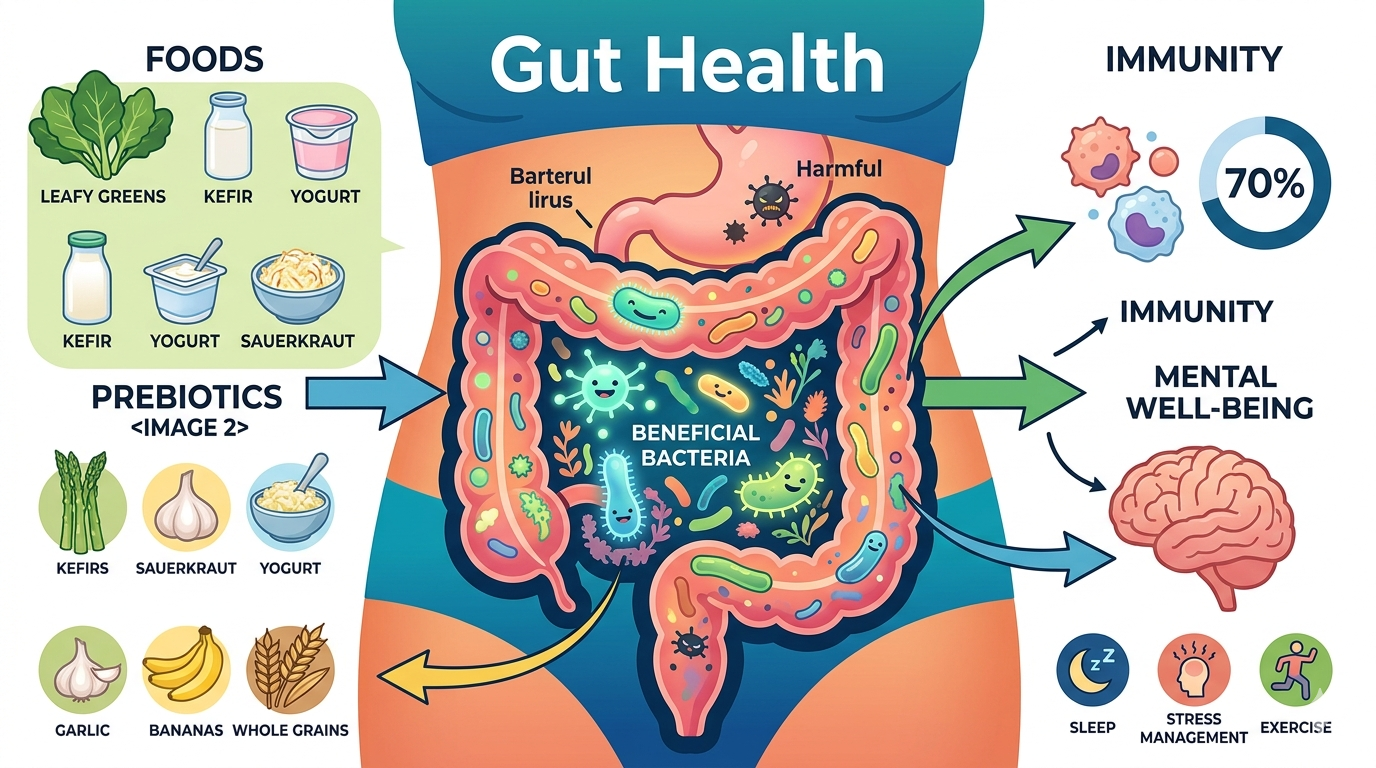
But its influence goes far beyond digestion. The gut is closely connected to the brain through what scientists call the gut-brain axis—a communication network that links emotional and cognitive centers with intestinal function. This means that the state of your gut can directly impact how you feel, think, and even respond to stress.
Immunity Starts in the Gut
A significant portion of the body’s immune system resides in the gut. A healthy microbiome helps defend against harmful pathogens, regulate inflammation, and support immune responses. In contrast, an imbalanced gut—often referred to as dysbiosis—can weaken these defenses, making the body more vulnerable to illness.
In 2026, this understanding has led to a more proactive approach to immunity. Rather than reacting to sickness, people are focusing on strengthening their gut as a first line of defense.
The Link Between Gut Health and Mental Well-Being
One of the most exciting developments in recent years is the growing recognition of the gut’s role in mental health. The gut produces a large portion of the body’s serotonin, a neurotransmitter that influences mood, sleep, and emotional stability.
When the gut is out of balance, it can contribute to feelings of anxiety, fatigue, and even depression. Conversely, supporting gut health may help improve mood, increase energy levels, and enhance overall mental clarity.
Modern Lifestyle Challenges
Despite its importance, gut health is often compromised by modern habits. Highly processed foods, excessive sugar intake, chronic stress, and lack of sleep can all disrupt the microbiome. Antibiotic overuse can also reduce beneficial bacteria, making it harder for the gut to maintain balance.
In today’s fast-paced world, these factors are common—which is why gut health has become such a central focus in wellness discussions.
Building a Healthier Gut
Improving gut health doesn’t require extreme measures. Instead, it’s about making consistent, supportive choices:
- Eat a diverse range of whole foods: Fruits, vegetables, legumes, and whole grains provide fiber that feeds beneficial bacteria.
- Include fermented foods: Yogurt, kefir, sauerkraut, and kimchi introduce probiotics that support a healthy microbiome.
- Stay hydrated: Water aids digestion and helps maintain the gut lining.
- Manage stress: Chronic stress can negatively affect gut function and microbial balance.
- Prioritize sleep: Rest allows the body, including the gut, to repair and reset.
The Future of Gut Health
Advances in personalized nutrition and health technology are making it easier to understand individual microbiomes. In 2026, tailored diets and targeted probiotics are becoming more accessible, allowing people to optimize their gut health based on their unique biology.
This personalized approach marks a shift away from one-size-fits-all solutions toward more precise, effective strategies for wellness.
A New Definition of Health
Gut health is no longer a niche topic—it’s a cornerstone of modern wellness. By supporting the microbiome, individuals can improve not just their digestion, but their immunity, mental health, and overall vitality.
As research continues to evolve, one thing is clear: true health begins in the gut. And in 2026, taking care of it is one of the most powerful steps you can take toward a healthier, more balanced life.
