
The Mind-Body Connection: How Stress Impacts Your Heart
The connection between the mind and body is no longer just a philosophical idea—it’s a scientifically supported reality. Among the clearest examples of this relationship is the way stress affects the heart. While occasional stress is a normal part of life, chronic stress can quietly and significantly influence cardiovascular health, often without obvious warning signs.
Understanding the Stress Response
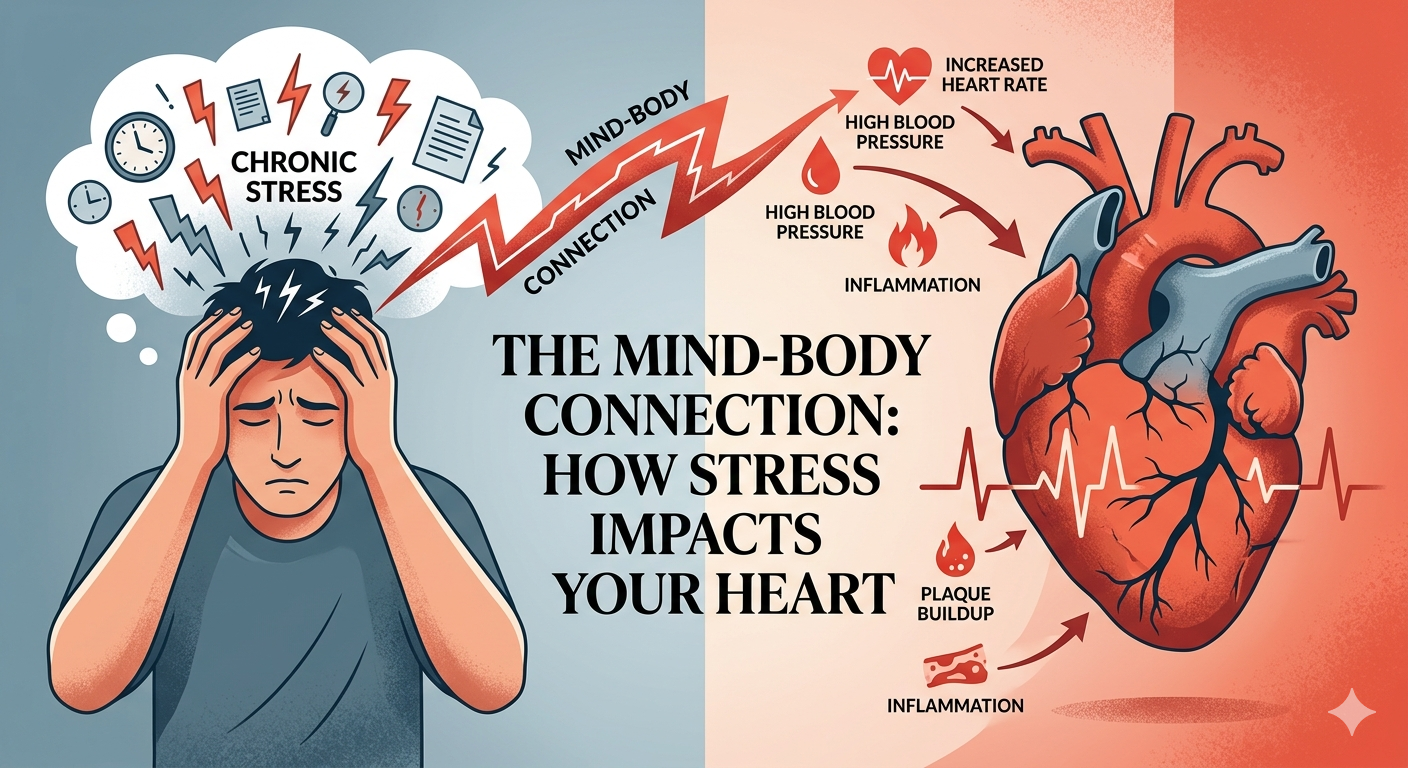
When you experience stress, your body activates its “fight or flight” response. Hormones like cortisol and adrenaline are released, increasing your heart rate, blood pressure, and breathing. In short bursts, this response can be helpful—preparing you to react quickly in challenging situations.
However, when stress becomes constant, this heightened state puts ongoing strain on the heart. Over time, the cardiovascular system is forced to work harder than it should, increasing the risk of long-term health issues.
The Hidden Effects on Heart Health
Chronic stress doesn’t just make you feel overwhelmed—it can lead to physical changes that directly impact your heart. Elevated blood pressure is one of the most common effects, and when it persists, it can damage blood vessels and increase the likelihood of heart disease.
Stress is also linked to inflammation in the body, a key factor in the development of cardiovascular conditions. Additionally, people under stress may adopt unhealthy coping mechanisms, such as poor eating habits, lack of exercise, smoking, or disrupted sleep—all of which further strain the heart.
Another important factor is heart rhythm. Intense or prolonged stress can contribute to irregular heartbeats, also known as arrhythmias, which may increase the risk of more serious complications if left unmanaged.
Emotional Health and Physical Outcomes
Mental and emotional states play a powerful role in physical well-being. Feelings of anxiety, burnout, or persistent worry can amplify the body’s stress response, keeping it activated longer than necessary. Over time, this creates a cycle where mental strain leads to physical strain—and vice versa.
Research has shown that individuals who experience high levels of stress or emotional distress may have a higher risk of cardiovascular events. This highlights the importance of addressing not just physical health, but emotional well-being as part of heart care.
Breaking the Stress–Heart Cycle
The good news is that the negative effects of stress on the heart can be reduced with consistent, healthy habits. Managing stress doesn’t require drastic changes—it’s about building small, sustainable practices into daily life.
Regular physical activity is one of the most effective ways to reduce stress and support heart health. Exercise helps regulate stress hormones and improves overall cardiovascular function. Mindfulness practices such as meditation, deep breathing, or journaling can also calm the nervous system and lower blood pressure.
Social connection is another powerful tool. Spending time with supportive friends or family can reduce feelings of isolation and help buffer the effects of stress. Additionally, maintaining a consistent sleep routine allows the body to recover and reset, which is essential for both mental and heart health.
A Holistic View of Heart Health
The mind and heart are deeply interconnected, and caring for one means caring for the other. In today’s fast-paced world, stress may be unavoidable—but its impact on your heart doesn’t have to be.
By recognising the signs of chronic stress and taking proactive steps to manage it, you can protect your cardiovascular health while improving your overall quality of life. True wellness lies in balance, where mental calm and physical strength work together to keep your heart strong and steady.
